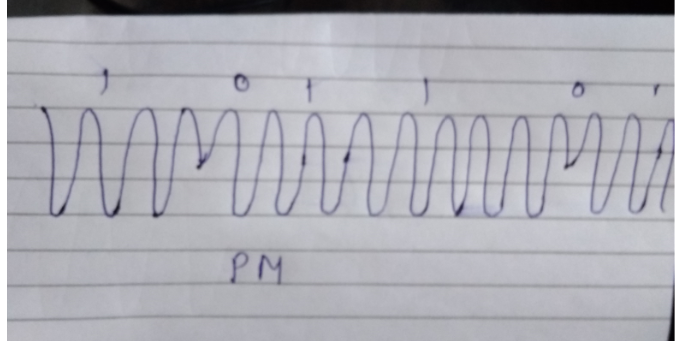
Unipolar signaling, return to zero and non return to zero
Q.1
a). Header Format of the transport layer
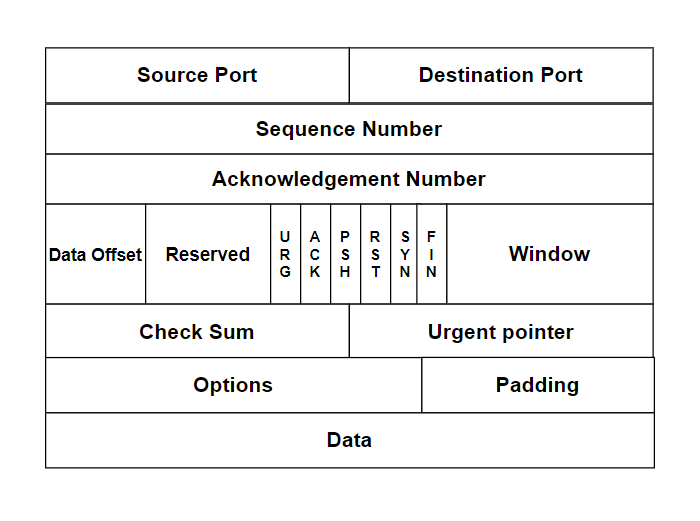
The TCP protocol works on the transport layer. The TCP header sends information related to the TCP protocol. Below is the diagram of the TCP header format and the details of each field of the header.
Source Port: It is the source port number that contains 16 Bits.
Reserved: This field is reserved for future use and always remains zero.
Control Bits: It is of 6 Bits and has different options like URG(Urgent Pointer field Significant), ACK (Acknowledgement field significant), PSH (Push Function), RST (Reset the connection), SYN (Synchronise sequence numbers), FIN (no more data from sender).
Padding: Padding consists of zero and it ensures the end of TCP header.
Data Link Layer
Quality Control: Controls the quality of the frame.
Network Layer
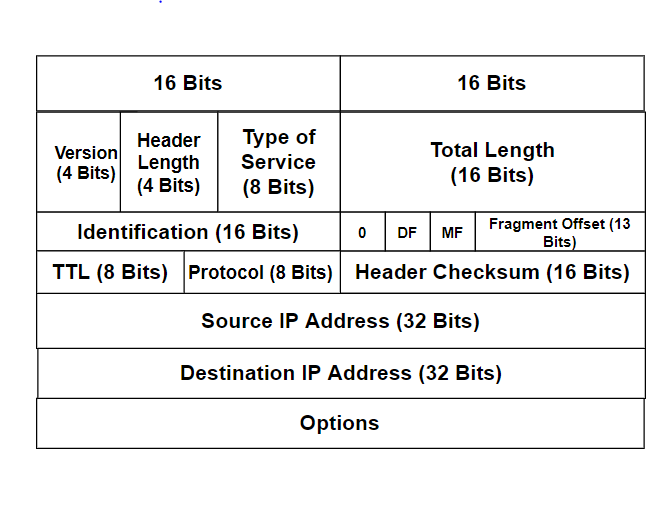
Identification, Flags, and Fragment Offset: The large size packet is fragmented into smaller packets and then refragmented. These fields are used for fragmentation and defragmentation.
TTL (Time to Live): A packet can move around the network aimlessly. In case of a routing problem, you don’t want to move the packet. When the packet starts moving, the value of the packet is set and is decremented by 1 when passed through every router. When the TTL value becomes 0, the packet is discarded.
Options: This field varies from a value 0 to multiple of 32 bits.
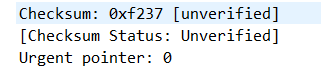
b) TCP header
Source Port: 51439

Source IP address: 192.168.1.101
Destination IP address: 13.35.190.172
Q.2 Bit Pattern 10110011
Unipolar Signaling, Return to zero and Non return to Zero
Manchester encoding and Amplitude Modulation
Frequency Modulation and phase modulation