The corresponding impulse response the time domain shown figure
|
||||
|---|---|---|---|---|
| INPUT | t | |||
| x(n) | X(k) |
FFT
| FILTER | x(n) |
|
1 | f | ||
|---|---|---|---|---|---|---|
| RESPONSE | 0 | X(k) × H(k) | ||||
| h(k) | ||||||
| OUTPUT |
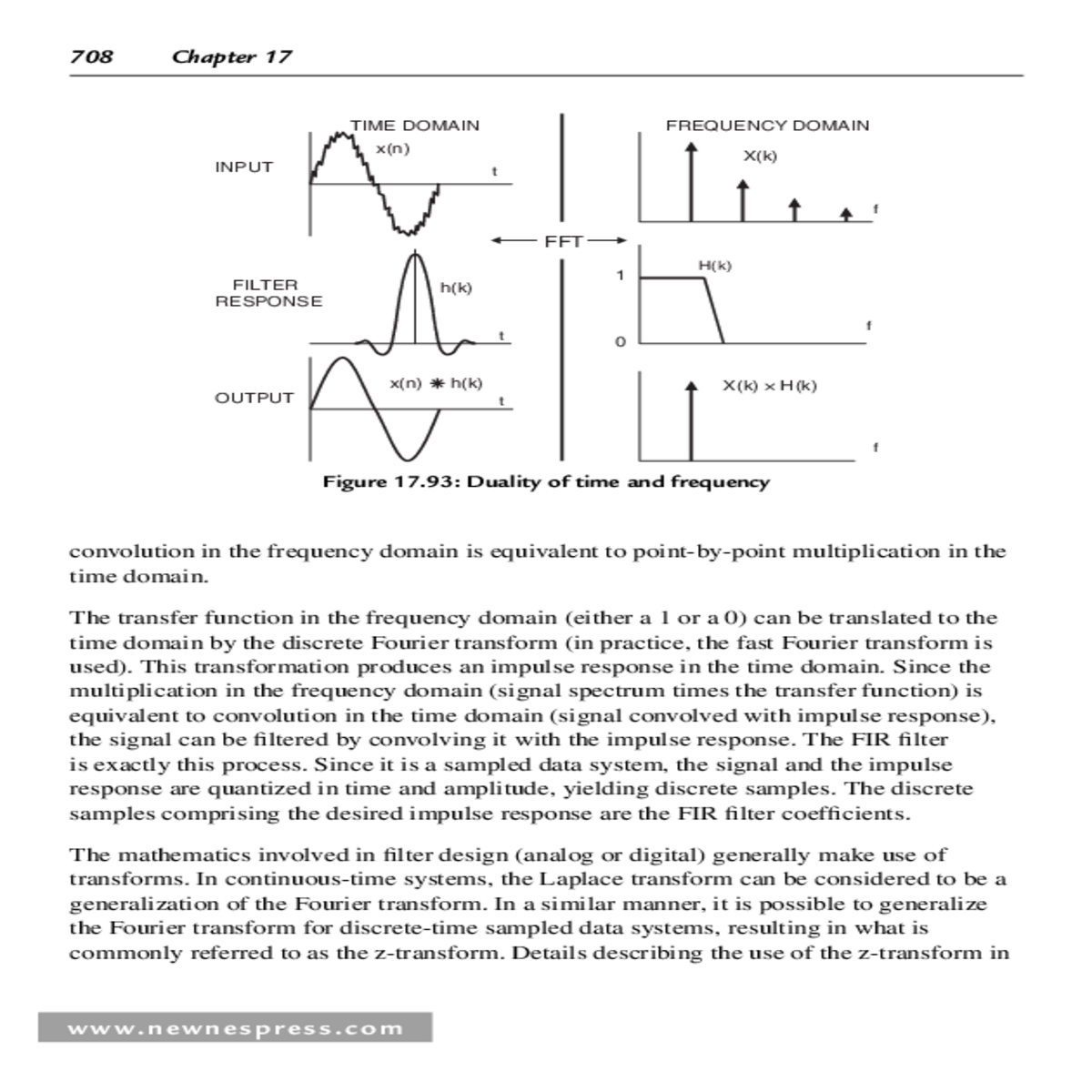
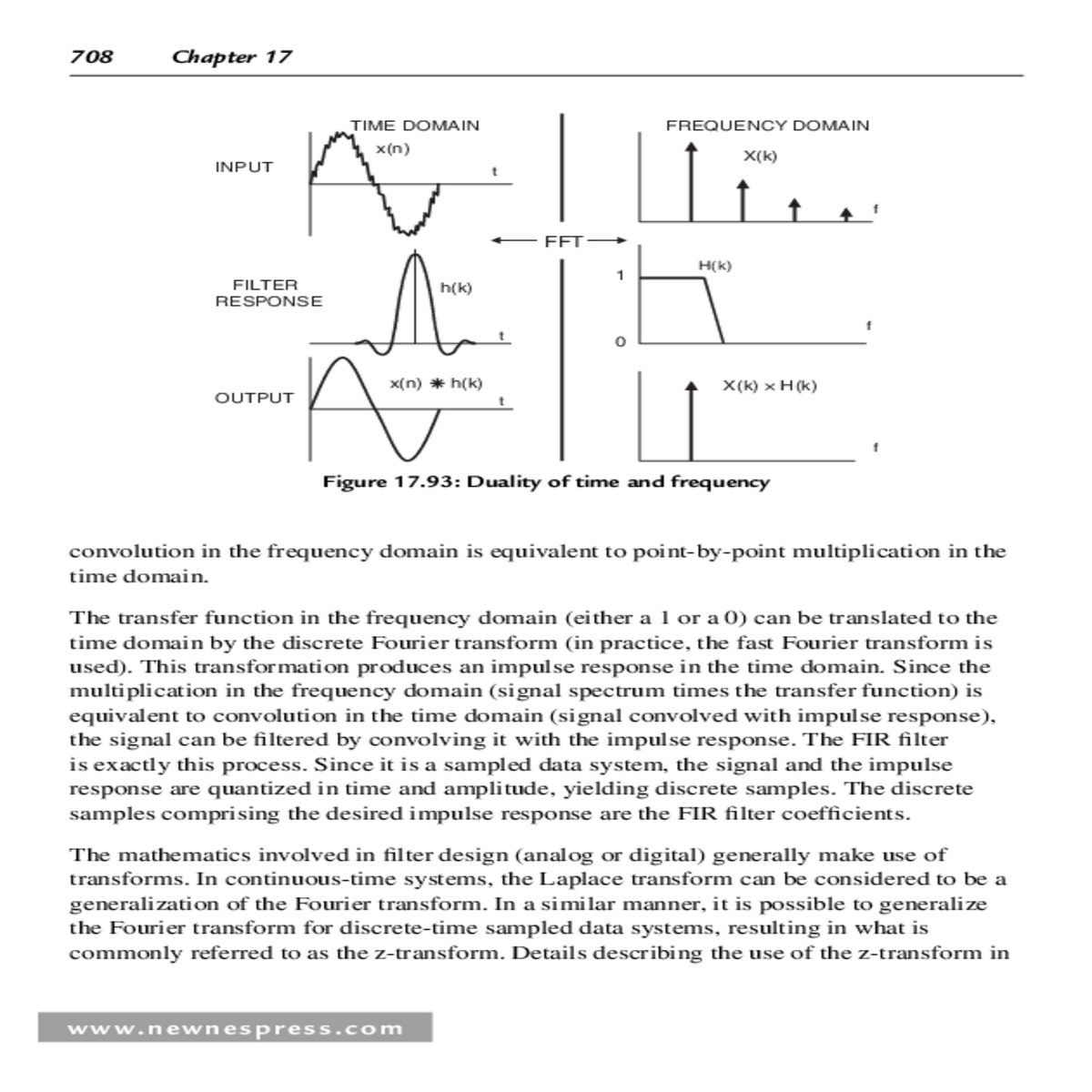
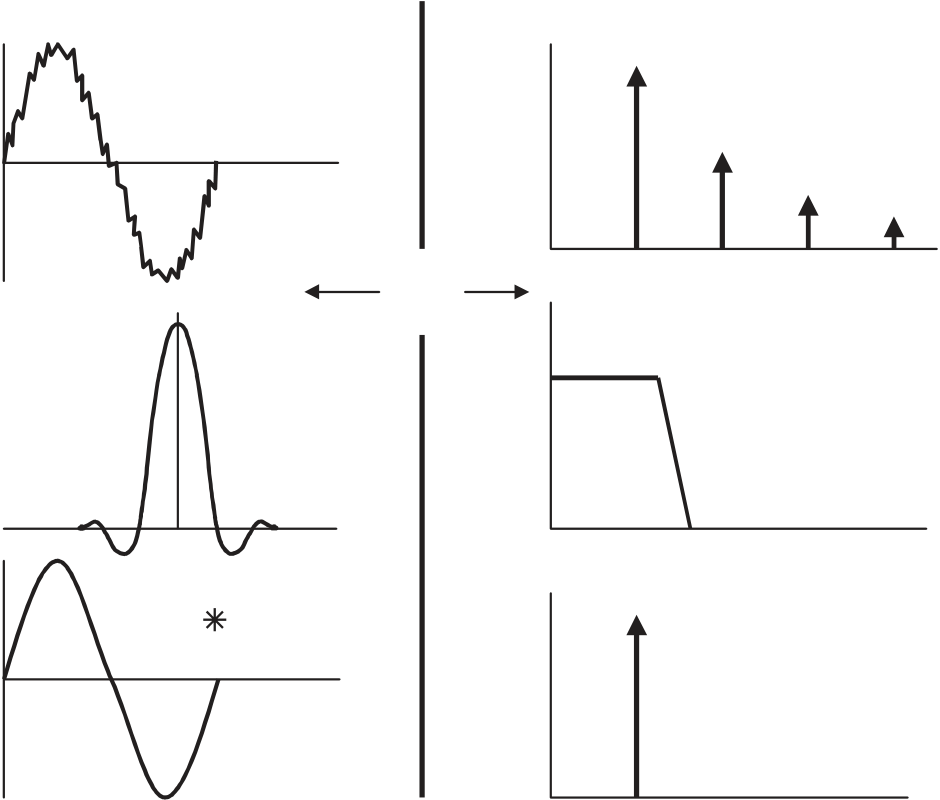
Figure 17.93 : Duality of time and frequency
convolution in the frequency domain is equivalent to point-by-point multiplication in the time domain.
| www.newnespress.com |
|---|
| Filter Design | ||||
|---|---|---|---|---|
| 1 |
|
Ideal low-pass filter | Truncated | |
|
impulse response | |||
| 0 | f | t |
|
Windowed | t | 1 | (c) | N | t | ||
|---|---|---|---|---|---|---|---|---|---|---|---|
| (a) | Window | ||||||||||
|
|||||||||||
| (d) | function | impulse response | |||||||||
| N | N | t | |||||||||
| 0 | |||||||||||
| fc | |||||||||||
|
|||||||||||
Figure 17.94 : FIR fi lter design using the windowed-sinc method
| www.newnespress.com |
|---|