Loss strength endocrine system hormone imbalance psychosocial anxiety
Week 1
Introduction to Acute Care Nursing 1
Private day hospitals
– Diagnostics and treatment e.g. colonoscopy & removal of polyps
– Pharmacies, optometrists, dentists
In general
Types of procedures
Diagnostic
• Remove diseased tissue e.g. bowel resection
Reconstruction
• Build or rebuild damaged or absent tissue and organsAids to diagnosis
Pathology
• Blood tests, tissue analysis,Older adult – considerations
Even in healthy older age, physiological changes occur which may affect the person having surgery. E.g.
Postanaesthetic observations
Monitor (every 15 minutes) & manage
• Anxiety, depression, altered body image, anger
Metabolic
• Knowledge e.g. understand the drugs you are administering
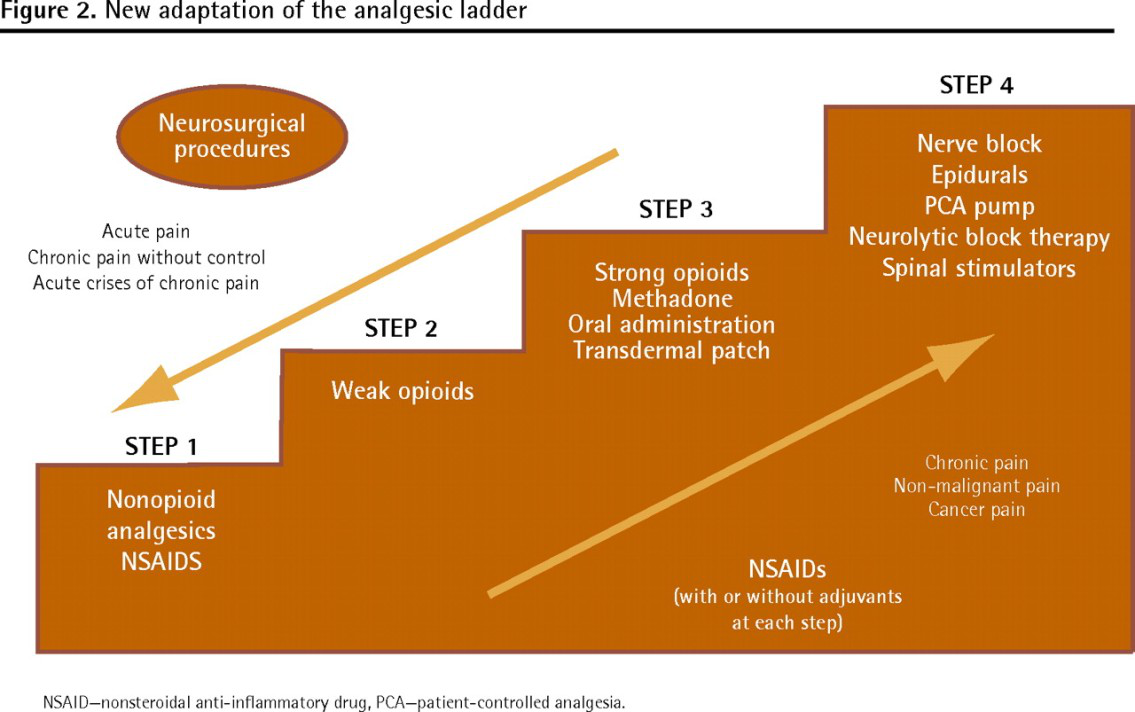
• Consult pain management teams/anaesthetists
• PCA/epidural
• Adjuvants
• uses mild electrical impulses as an alternative to drugs.
• Educate:
– Wound care/pain management/medications/exercise, work, lifting, driving, sexual
Key Points / Summary
• NRSG258 explores perioperative care including pathophysiology & pharmacology &
– have a broad knowledge of patients’ conditions and how to manage them safely
– be able to plan patient specific discharge for safe transfer of care.
Essential elements of a valid consent:
• Voluntary
– nurses on the wards are discouraged from witnessing documents due to potential
future legal implications
• The law about consent involves understanding & comprehension
Legal capacity
• The patient has an Advance Care Directive
– This document outlines the care they wish to receive if they no longer have the
• The person is:
– Unconscious
– A child
• 18 & over full legal capacity
• Common Law will deem a consent for the treatment given, if the treatment was necessary,
reasonable and given in good faith
reasonable, given in good faith
• Further state by state information available in Forrester & Griffiths (2010) p.146
necessary in the circumstances
• Same applies to children is parent not available
• Emergency is not defined in common law but is accepted to be ‘treatment to save life’ or
‘prevent serious injury or death’ & is the same for adults or children where parents cannot
Age of consent (NSW)
• Child defined as under 16years
Contracts) Act 1970 NSW)
– NB: Ages differ between states so use your state’s policies for rules about age and
– Gillick Competency
– If a child is of an age and intelligence where they can understand and comprehend
• Anyone under the age of 18 is considered a ‘minor’.
• When a child or young person under the age of 18 does not have capacity to consent,
• Presumed to not have capacity to give their own consent, unless there is sufficient evidence
they have such capacity (refer Gillick’s competency).
• They must understand and appreciate the nature and consequences of the
procedure/treatment.
• Children under 18years can consent if it is deemed they are competent to consent.
• The individual must understand and appreciate the nature and consequences of the
the High Court
Consent issues
Assault – cause fear of injury in another person & does not need to be explicitly expressed
e.g. threaten to medicate a patient if they do not cooperate
• Other than specific situations e.g. enduring guardianship no other person has the legal ability
to consent to the treatment of another adult
• If all the information had been given, would the patient have not consented to
treatment/procedure?
decisions related to business affairs e.g. manage investments, sell a house (can be
restricted activity e.g. pay bills from an account)
• Specific to medical treatments (not finances)
• Can be revoked at any time as long as the person has the legal capacity to do so
• Legislation in all states & territories which protects people who are incompetent or
disabled
• Person does not usually have control of finances but must be someone who has no conflict
of interest & must act as an advocate
• Unexpected; violent or unnatural (e.g. homicide; suicide); due accident or injury (e.g.
drowning; MVA; fire)
• Had not been attended by a doctor in the last six months
• Is of unknown identity
– Most agencies have guidelines when a death is reportable.
• Minimum interference with the body
• A health professional undertaking the procedure must obtain the consent
• All health professionals may witness a signature but witnessing is not agreeing to the patient
• Any outstanding issues of concern to the patient should be brought to the attention of the
Doctor may inform the patient and obtain verbal consent and then ask a hospital staff
• You are responsible for advice you give to patients.
• You need to be aware you have a duty to exercise reasonable care where providing any
Duty of care
• A person must take reasonable care to avoid acts or omissions that a reasonable person in a
• Educating the public & professionals about appropriate standards of care
• Negligence occurs when a professional fails to provide the quality of care that should be
• Harm that was reasonably foreseeable
Breach of Duty of Care
exercised by the practitioner – this is NOT negligence e.g.
• A patient has brain surgery to remove a tumour and wakes up with a neurological
• Employer policy
• The law
Australia’s medical indemnity claims (2012-2013)
• Average length of time between incident & claim = 2yrs but can be longer
procedure
Reflection
Death of patient – lack of duty of care from all staff caring for the patient as they did not recognise
the symptoms of septic shock in this patient. (This was an actual case & the family sued the hospital
| • | Survey from 1992 found ‘in the case of error, 50% of the claims were due to absence | |
|---|---|---|
| – |
• Evidence based care/practice
– Your care should be based on the best & most current evidence
• Brief, accurate & complete, legible, objective
• Use only accepted medical abbreviations
• They communicate the patient’s treatment, condition & progress with other nurses & the
MDT
• Lawyers, accreditors, auditors, insurance companies & the patient can read the notes
• Should be read at beginning of shift, after days off or if the patient is new to you
• Wound
• Fluid balance e.g. intake, output
• Discharge plan
Documentation – structure
• A = Assessment
• P = Plan
• A – Airway
• B – Breathing
• G – Glucose (or Give comfort measures)
• H – Head to toe assessment
– Present conditions or diseases
– Medical test results
Inadequate documentation – consequences
• For the patient
• Nurse may:
– Be dismissed
Your notes may be read by a range of people including the patient
Be non-judgemental
• Maintain confidentiality
Documentation – barriers
– Unfamiliarity with medical terminology
– Lack of knowledge about abbreviations
• Enables standardisation of some types of information – test results, medications
• Does not improve time efficiency when delivering nursing care
• Various types of POA can be appointed by a person to care for finances and/or medical
treatment but rules apply
and their progress during their hospitalisation