Lay down bone matrix and surround cartilage cells


Lecture 3 - Skeletal
Shoulders and arms:
• Clavicle
• Scapular

Types of bones
| • | Long |
|
|---|---|---|
| ○ | ||
| ○ | ||
| ○ |
○ Two layers of compact bone on the outside and spongey bone in
the middle.○ Function: protection (e.g. skull) and large surface area for muscle
attachment.
Tendons
• join muscle to bone
Ligaments
•join bone to bone
Yellow bone marrow
• As you get older, almost all of the bone marrow will become
yellow
• Production of red blood cells slows down
• Site of fat storage
Joints
• Join bones together
• Some move a lot, others are fixed.
| • | ○ | ||
|---|---|---|---|
| ○ | |||
| | |||
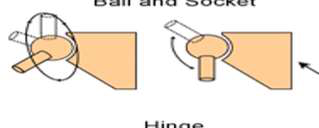
Pivot e.g. neck
• Measuring bone health 'gold' standard
○ Dexascan
Measures bone mineral density
| ○ |
|
|---|
hlt100 Page 4
Bone tissue
• Made up for bone matrix + bone cells
○ Osteoblasts
Build bone - lay down new bone
○ Osteoclasts
Break down bone through releasing enzymes and acid ○ Osteocytes
Bone cells. Osteoblasts that have built some bone and
have got stuck in this matrix of bones, mineral and protein around them.
Start to control metabolism and waste. They keep bone functioning.
Therefore cartilage slowly moves up the bone and the bone
as a whole starts to get longer.○ This growing of new bone also happens on the periostyis bone
Therefore proportionally the bone stays the same size.Calcium homeostasis - main reason
Bone responds and adapts to changes in the load of the
bones. Bone is remodelled stronger or weaker. (e.g. if you're
in space, it will change).When blood calcium is low….
Bone and joints - baby steals a lot of calcium causing decalcification of •
mum's bones & hormone 'relaxin' which alters cartilages and tendons
through activating collagen, and impacts bone remodelling to help with
birth etc.• Ribs flare out and they never return back to a pre-pregnancy position.
○
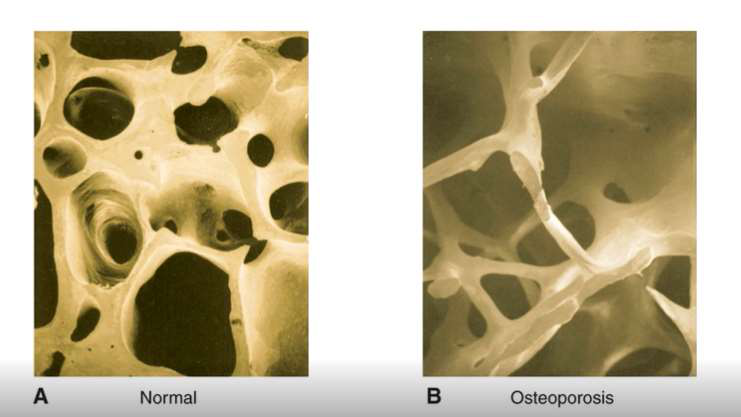
○ Spongey bone - lower bone density, less bone mineral content and
generally more general resorption and therefore, bones are a lot
weaker and at greater risk of fractures.
○ Greenstick fracture - incomplete fracture (not all the way through
the bone)
○ Transverse fracture - break in straight line across bone
○ Spiral fracture - spirals around bone (most common with twisting
injury)
○ Oblique fracture - diagonal across bone.○ Compression fracture - bone is crushed
○ Segmental fracture - two breakages would cause floating segment
of bone.
Inflammatory
Reparative (proliferative) (days and weeks later) Calas
around bone is formed and osteoblasts are drawn in.
○ Abnormal growth of the impacted bones
○ Medication, exercise and physiotherapy can help with reducing
○ Autoimmune condition
Attacking itself
○ Can make joints become unstable.
○ No cure. We don’t know what causes the body to attack like this.