Haccp and food safety code requirements hazards
Use hygienic practices for food safety
SITXFSA005
This unit describes the performance outcomes, skills and knowledge required to use personal hygiene practices to prevent contamination of food that might cause food-borne illnesses. It requires the ability to follow predetermined organisational procedures and to identify and control food hazards.
The unit applies to all organisations with permanent or temporary kitchen premises or smaller food preparation or bar areas.
Food safety legislative and knowledge requirements may differ across borders. Those developing training to support this unit must consult the relevant state or territory food safety authority to determine any accreditation arrangements for courses, trainers and assessors.
Pre-requisite Unit
Cross-Sector
ii
Use hygienic practices for food safety

4.1 Maintain clean clothes ......................................................................................... 37
4.2 Personal protective equipment (PPE) ................................................................. 41
4.4 Prevent unnecessary direct contact with ready-to-eat foods ....................... 44
4.5 Hygienic personal contact when handling food and food contact surfaces
illnesses.............................................................................................................................. 48
4.7 Cleaning and sanitising ......................................................................................... 51
iv
Use hygienic practices for food safety
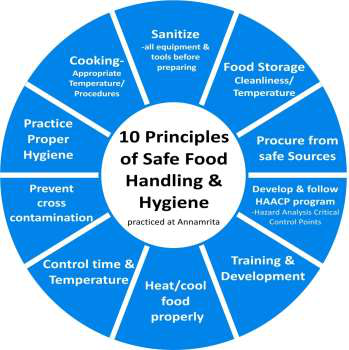
Figure 1: Hygienic practices for food safety
Hygienic practices are a must in the entire Food Handling Cycle. Food can get contaminated at any point during slaughtering or harvesting, processing, storage, distribution, transportation and preparation. Good hygiene practices can prevent food poisoning.
 |
|---|
Food safety includes proper food handling, food preparation, food storage and
food distribution to prevent infection and to make sure that our food retains enough
Separate – Don’t cross contaminate
Cook – To the right temperature
 Contamination – means the introduction or occurrence of
a contaminant in
Contamination – means the introduction or occurrence of
a contaminant in
food.
A food business must ensure that persons undertaking or supervising food handling
operations have –
 Supply all necessary equipment, cleaning materials and PPE to clean,
maintain
Supply all necessary equipment, cleaning materials and PPE to clean,
maintain
and sanitise equipment correctly
Use hygienic practices for food safety

o do not contaminate food
o do not have unnecessary contact with ready-to-eat food; and
requirements including:
 keeping and displaying a copy of the food act regulations in food
preparation
keeping and displaying a copy of the food act regulations in food
preparation
 controlling, providing and maintaining proper storage areas.
 using correct cleaning methods.
 Following regulations regarding cleaning and sanitisation of
premises.
Following regulations regarding cleaning and sanitisation of
premises.
 Training all employees in personal hygiene and food handling
procedures.
Training all employees in personal hygiene and food handling
procedures.
Use hygienic practices for food safety

 Exercise overall responsibility in doing whatever is reasonable to make
sure that
Exercise overall responsibility in doing whatever is reasonable to make
sure that
food safe or suitable for people to eat.
 Report health concerns to your supervisor and do not handle food if
there is a
Report health concerns to your supervisor and do not handle food if
there is a
possibility of contamination.
develops and manages the Food Standards Code, which documents legal
requirements for additives, nutrition, storage, labelling, and GM foods.
Food Standards Code, investigating:
 Food‐borne illness
 Food safety issues in State Government food businesses
Local councils regulate: The local council is responsible for the registering of food
health. Each local council must send an EHO (Environmental Health Officer) out to audit each food business within each council at least once annually.
Environmental Health Officers (EHOs) who represent local councils can enter a food business and execute a health inspection at any time to check that a business is functioning within safe restrictions. They have the power to impose fines or issue notice of business closure if breaches of food safety legislation are evident. Local councils regulate:
To ensure that the products meet relevant safety standards, clear instructions for proper use and warnings against possible misuse must be provided. Visit for more information on product safety.
1.5Legal requirements for food hygiene
Use hygienic practices for food safety

This standard explains:
 The terms used in the food safety standards.
(or problems) that could occur in your business, how you would control them, and
what records you will need to keep to show that you have controlled these hazards.
handling of food must be continuously monitored, reviewed and updated.
A food safety program, should include the following –
 Provision for the systematic monitoring of those controls
 Provision for appropriate corrective actions when a hazard is found not
to be
Provision for appropriate corrective actions when a hazard is found not
to be
This standard outline specific food handling controls for:
 Receipt, storage, processing, display, packaging, transportation,
disposal and
Receipt, storage, processing, display, packaging, transportation,
disposal and
 Skills and knowledge requirements of food handlers and their
supervisors.
Skills and knowledge requirements of food handlers and their
supervisors.
 Health and hygiene of food handlers.
 Fixtures and fittings
 Equipment
that caters for hospitals and other care facilities.
1.5.2Enforcement of Food Standards Code
Food regulation authority’s work together to ensure food regulations are
implemented and enforced consistently. This work is done through the
 New South Wales
 Northern Territory
 Tasmania
 Victoria
Chapter three of the Codes relates to food safety standards. The following are the
basic principles outlined in Chapter three –
 Prepared food is stored in a manner that protects it from
contamination
Prepared food is stored in a manner that protects it from
contamination
 Food handlers must take all reasonable measures to ensure the safety
and
Food handlers must take all reasonable measures to ensure the safety
and
Visit and for further information.
1.5.3Food safety - enforcement and penalties
8
Use hygienic practices for food safety
The issuing of a statutory Improvement notice which requires cleaning, repair, replacement, revision of food safety program, implementation of a food safety program or implementation of the Food Safety Standards.
Issuing of a Prohibition Order which controls certain activities where there is failure to comply with an Improvement Notice or to prevent or mitigate a serious danger to public health.
Request for court orders for corrective advertising by a person found guilty of an offence.
Publication of the names of offenders immediately after conviction.
9
Use hygienic practices for food safety
as gastroenteritis or serious allergic reactions have been connected to food
contaminated by food handlers, it is critical to be conscious of how it spreads so that
 Safe and hygienic handling of food and beverages
 Food storage
 Suitable dress and personal protective equipment and clothing
 Personal hygiene standards
 |
|---|
 Prevents the outbreak of food-borne diseases
10
 Produces better processes and less waste.
It is an employer’s duty to safeguard the health, safety and wellbeing of their
 Ensure the food business is protected by a Food Safety Supervisor who
is
Ensure the food business is protected by a Food Safety Supervisor who
is
reasonably available at all times.
food is processed and sold) of the Food Safety Supervisor leaving or ceasing to
act in that role.
A Food Safety Supervisor is an employee, licensee, manager, or external contractor
designated by a food business to accomplish its food safety. A business manager
of Attainment from a nationally registered RTO.
 Supervise staff in food handling to ensure compliance with food
safety
Supervise staff in food handling to ensure compliance with food
safety
Use hygienic practices for food safety
food safety in their absence.
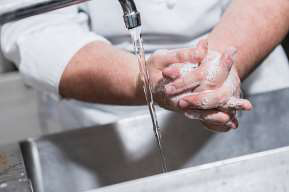
A Food Handler directly involves with the handling or preparation of food. Food handlers also include staff that handle or deliver food. A Food Handler must:
 Have skills and knowledge relevant to their food duties.
 Equipment: All equipment that comes into contact with
food must be made of suitable materials, kept in good condition, cleaned
effectively, and fitted correctly to allow cleaning around it.
Equipment: All equipment that comes into contact with
food must be made of suitable materials, kept in good condition, cleaned
effectively, and fitted correctly to allow cleaning around it.
 Personal hygiene: Suitable hygienic clothing, cover
hair, avoid watches and jewellery, standard uniform policies, hand
washing requirements.
Personal hygiene: Suitable hygienic clothing, cover
hair, avoid watches and jewellery, standard uniform policies, hand
washing requirements.

rinse aids used after the disinfecting process, explore the variety of chemicals used in the workplace and where each is best used.
13
Use hygienic practices for food safety
A food handler must, when engaging in any food handling operation –
 take all practicable measures to ensure his or her body, anything from
his or her body, and anything he or she is wearing does not contaminate
food or surfaces likely to come into contact with food;
take all practicable measures to ensure his or her body, anything from
his or her body, and anything he or she is wearing does not contaminate
food or surfaces likely to come into contact with food;
Use hygienic practices for food safety

handled; and
 not urinate or defecate except in a toilet
Food hygiene practices at the preparation stage of food production process –
 Prepare raw meat, poultry, seafood, fruit and vegetables on different,
colour-
Prepare raw meat, poultry, seafood, fruit and vegetables on different,
colour-
as possible
 Store or cook foods as soon as preparation is completed
 Do not use the same cloth to clean different surfaces, equipment or
areas that
Do not use the same cloth to clean different surfaces, equipment or
areas that
have been used to prepare food
 Avoid unnecessary contact with and over-handling of food. Use
disposable
Avoid unnecessary contact with and over-handling of food. Use
disposable
gloves to handle ready-to-eat foods. Use tongs or disposable gloves when
 Use different colour chopping boards for preparing raw poultry, meat,
seafood,
Use different colour chopping boards for preparing raw poultry, meat,
seafood,
vegetables and fruits.
contaminated with dirt, fertilizers and pesticides.
 Always follow safety instructions to handle fruits and vegetables that
will be
Always follow safety instructions to handle fruits and vegetables that
will be
 Follow personal hygiene, cleaning and sanitizing procedures during
preparation.
Follow personal hygiene, cleaning and sanitizing procedures during
preparation.
 Wash and sanitize equipment, utensils, chopping boards and contact
surfaces
Wash and sanitize equipment, utensils, chopping boards and contact
surfaces
 Never use the same cloth to clean the different equipment and surface
that the
Never use the same cloth to clean the different equipment and surface
that the
food has been prepared in.
 Sit, lean or stand on bench tops, bars or tables.
 Spit, smoke, eat food or chew gum in food preparation areas or while
preparing
Spit, smoke, eat food or chew gum in food preparation areas or while
preparing
16