Fixed cost structures evaluating investment opportunitiescompany sponsored workshops
CONFIDENTIAL
McKinsey Case Interview
This material was used by McKinsey & Company during an oral
NC-ZZG001-1099Vaugh-RC.ppt presentation; it is not a complete record of the discussion.
– Suggested approach
• Suggested problem-solving process
| 2 |
|---|
|
|
3 | ||||
|---|---|---|---|---|---|---|
| Evidence of excellence |
|
|||||

| Responses should demonstrate | ||
|---|---|---|
|
||
| consolidation be on company X?” | ||
|
||
| • “How should company X react to a |
| Responses should demonstrate | ||
|---|---|---|
|
||
|
||
| everyone on Earth to live there?” | ||
| • “What is the size of the skateboard |
WHAT TO REMEMBER WHEN APPROACHING A CASE
. . . but there are wrong answers
|
|---|

|
|
|---|---|
|
|---|



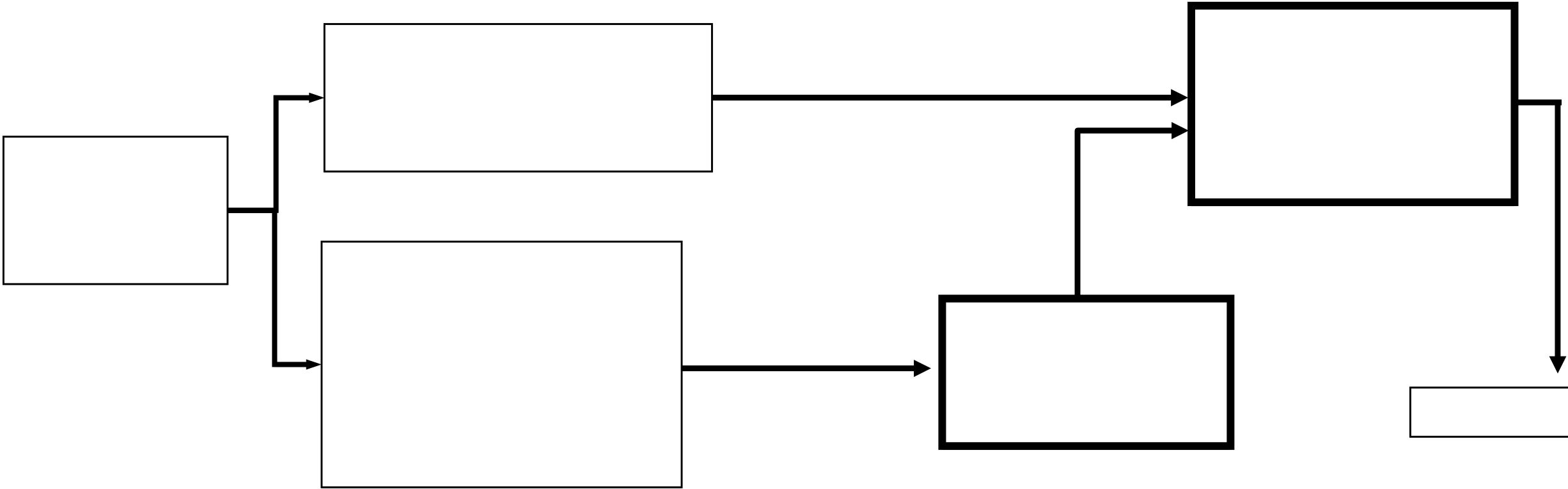
FIVE EASY STEPS TO BULLET-PROOF PROBLEM SOLVING
| Step 2 | Step 3 | |
|---|---|---|
| Disaggregate | Eliminate all | |
| the issues | non-key issues | |
| ? |
Conduct critical Synthesize
analyses, findings and
 |
7 |
|---|

|
? | |||
|---|---|---|---|---|
|
|||||||||||||||||||||||
|---|---|---|---|---|---|---|---|---|---|---|---|---|---|---|---|---|---|---|---|---|---|---|---|
| STEP 2: DISAGGREGATE THE ISSUES | ||||
|---|---|---|---|---|
| Issues/hypothesis |
|
|||
| No. 1 |
|
|||
|
|||
|---|---|---|---|
|
|||
| No. 2 | |||
| Issues/hypothesis |
|
|
|---|---|---|
| No. 3 | ||
and collectively exhaustive
|
(i.e., no overlaps, no gaps) |
|---|
| STEP 3: ELIMINATE ALL NON-KEY ISSUES | ||
|---|---|---|
| Issue 1 |
|
|
refinement process
| • Focuses your effort on what is | ||
|---|---|---|
| most important | ||
|
||
| • Always ask yourself “so what” . . . | ||
| but also ask yourself what you | ||
| might have missed |
• Tell the interviewer what you are
cutting and why
| STEP 4: CONDUCT CRITICAL ANALYSIS | ||
|---|---|---|
• Be hypothesis-driven and end products-
• Do not just “run the numbers”– ask
• Do not chase your tail
• Do you really need to calculate theyou can. Be suspicious of huge linear WACC?
• Don’t miss the forest for the trees• Beware of “polishing dirt”
• Look for breakthrough thinkingNC-ZZG001-1099Vaugh-RC.ppt 11
Main assertion
|
Sub-assertion | |||
|---|---|---|---|---|
|
|
|
Supporting | Supporting | Supporting | |
|---|---|---|---|---|---|---|
|
||||||
|
Yes | Action 1 | ||||
|
||||||
| No | Action 2 |
Question
|
No | Action 4 |
|---|---|---|
| 12 |
Why?
• Test analytical ability
• Test ability to sort out key facts and
Why?

|
|
|
|---|---|---|
| 14 | ||
|
||
|
||
|
||
| • Income Statement/Balance Sheet/ | ||
|
||
|
||
|
||
| 15 |
|---|
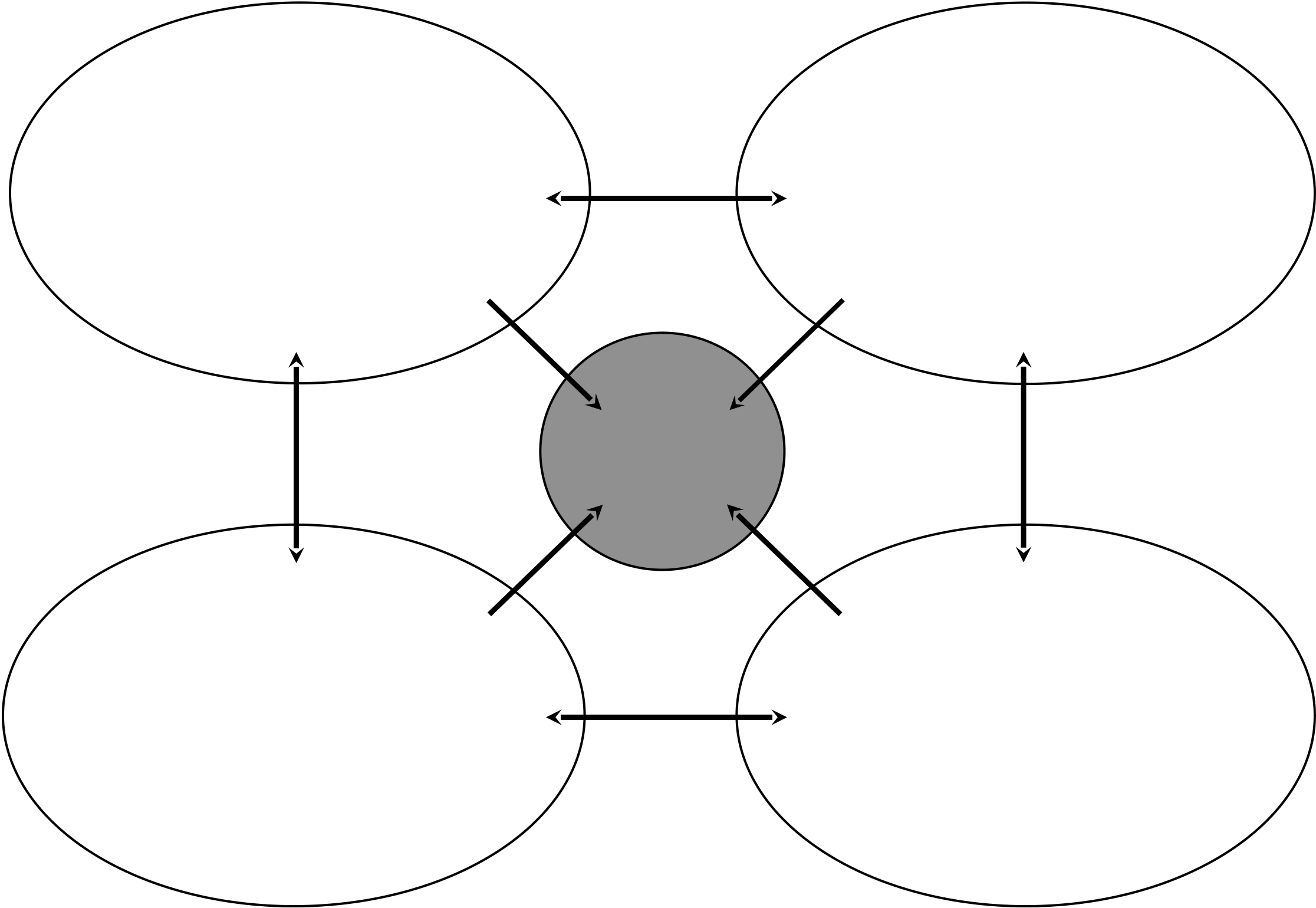
WHAT WE ARE LOOKING FOR
NC-ZZG001-1099Vaugh-RC.ppt 16
RESUME RELATED QUESTIONS
abilities?”
• “Describe a situation in which you’ve had toovercome obstacles to reach a desired
Why?

NC-ZZG001-1099Vaugh-RC.ppt 17
CLASS OF 2000 INTERVIEWS
| Round | |||
|---|---|---|---|
| 1 |
|
|
|
| Southeast | 2 | ||
| 2 |
|
||
|
Invitations to interview reflect our best initial effort to find the right people for McKinsey. Recognizing the limitations of this process, interviewers will consider students who bid for open slots no differently than those who were invited.
If you have a strong interest in McKinsey and are not included on the closed list, bid for the slot!
| 18 |
|---|