Brainstorming ideas and opportunities the difa model and funnelling ideas demand
NEW VENTURES
CREATION: NEWLIFE FOUNDATION
COURSEWORK 2Module code: 4GN500
2
Executive Summary
The following report focuses on the new life foundation for disabled children. Founded in 1991 as the Birth Defects Foundation is now known as New Life foundation for disabled children.
An increasing emphasis on corporate social responsibility (CSR) has resulted in many business looking into this industry and planning to either invest towards the social responsibility or completely expanding in this field.
Total number of charities in the UK are 163,800. More than half of these charities earn less than £10000. The charity sector’s total income is £36.7 billion, and total expenditure is £36.3 billion. Therefore, the amount of money that can be invested back in the business is very low compared to how much the expenditure is; 0.4 billion. However, even then there is a scope for the charity businesses still doing well as the industry is working above the breaking point.
4
Opportunity Recognition
In order for the Newlife foundation to maximise their income and gain further recognition to progress and provide more for the children they help it is necessary they take advantage of opportunities which would help them achieve the above.Demand
From the ideas and opportunities suggested the most demand would be to improve the quality of the equipment they provide to the disabled as this would benefit the children who are supported by the charity which is the main purpose of the charity. Another idea which may be in demand from consumers would be setting up an online store showcasing their products for customers who do not have a Newlife store close by which would also be another demand customers who live far from the shops might have. Newlife might also benefit from setting up and hosting more charity events, this could be a customer demand as existing customers would want their preferred charity to gain more attention and they would then help promote the events via social media, word of mouth and other forms of marketing to encourage people they know to attend. An app may have the least demand but when launched could have the most success since it is interacting with the consumers by giving regular updates and information and also allow them to make donations.Innovation
The innovation involved in developing new equipment trying out new materials and models and working with specialist companies to get the finished product Newlife wants. The innovation for the app would consist of working with a software company who would take
After funnelling each idea through the DIFA model the opportunities Newlife is most likely choices would be setting up more shops, launching an app and setting up more events around the UK but from these launching the app would be the most successful.
6
Capacity and Resources
8
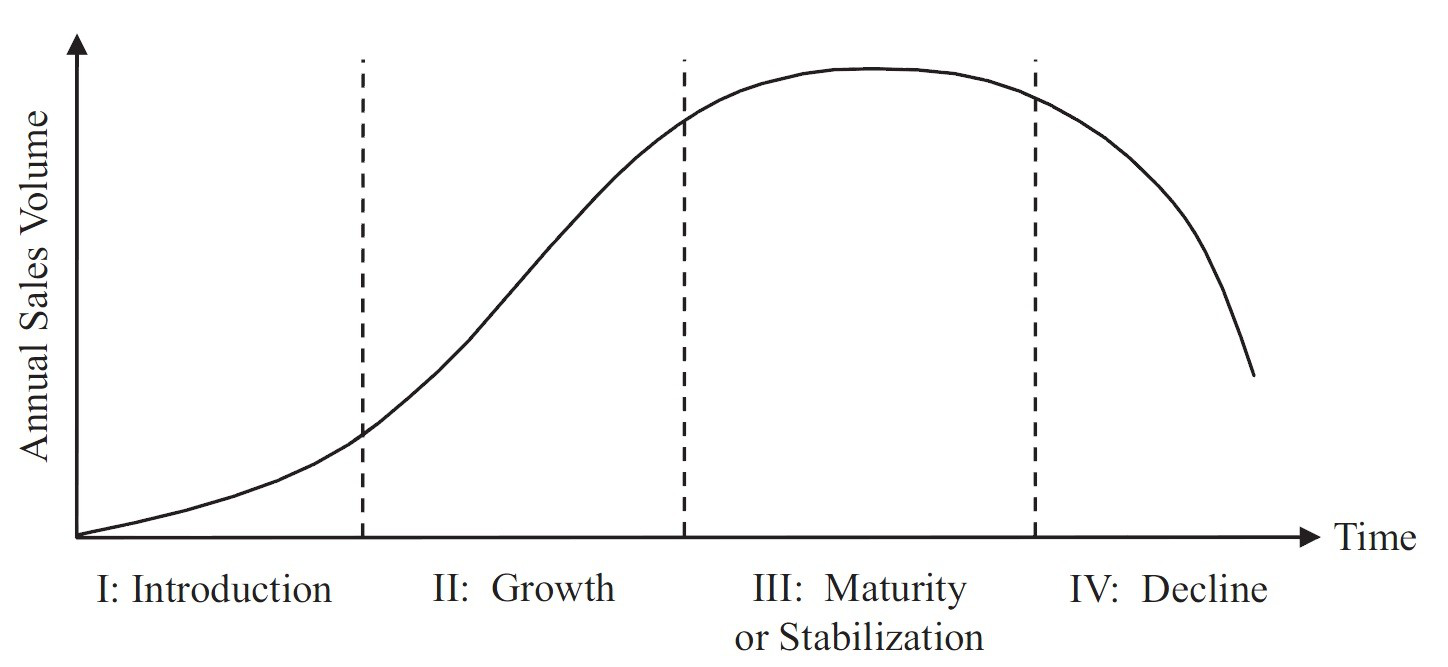
The introduction is the beginning and launch of the product. So in this case, the introduction for the ‘New life foundation app’ will be introduced. This includes a lot of marketing such as advertisements on television and on radios. Even before the Introduction a lot of marketing groundwork such as geographical marketing. The growth stage is next and it is vitally important that during the process of generating the app the strategic marketing must be run well. The Maturity is when the app will be known to the market of people that will want to download it and sales have come to a even mark. Lastly, decline is when the app will start to close and no one will really download it.
Market penetration
This seeks to achieve main four objectives:
-Maintain or increase the market share. This can be done by different combinations of pricing strategies such as advertising, sales promotion and personal selling.-Securing a very good reputation within the markets. So the competitors of the new life foundation are not getting as many sales and downloads on the app. This can be dealt with going ahead with a more aggressive type of promotional campaign which can make the market more difficult for competitors.-Introducing loyalty schemes.
12
Reflection, Conclusion and Recommendations
Rae, D. (2011). Entrepreneurial Learning. Available:
http://www.slideshare.net/ZoneGlyndwr/entrepreneurial-learning-david-rae. Last
14